17 Good-bye to all that!

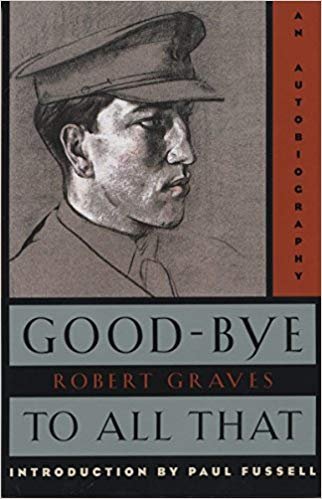
My maverick grand uncle whom we affectionately called Shinapmam was a larger-than-life and unique character who regularly stayed overnight, much to our delight. Sometime in the mid-seventies, Shinapmam passed away and we were all saddened at his death! Shortly after that, I wrote a piece in his memory which I reproduce below, echoing Robert Graves’ book “Good-bye to all that”; recalling the wonderful days before the Great War of 1914.
“Whenever he burst into our home on weekends, I listened with pleasure to his tales of faraway lands, late into the night. Today, within the dim recesses of memory, I can hear him speak, with passion, of peoples and places across the black waters. To me, he symbolised all that was exotic and wild and adventurous.
My childhood hero, my grand-uncle.
Uncle Srinivas was imposing: a pucca brown sahib, complete with a haw-haw accent, born when Victoria Regina sat on the throne of England, while Britain ruled the waves. None could rival his sartorial splendour.
In his
early teens, he earned the reputation of being the black sheep in the family.
He told me, with a chuckle, how he had persuaded the man at the liquor shop to
part with a peg of Cutler Palmer whisky, when he was just ten years old.
No wonder, he was often painted to us children, as some sort of an ogre, who
led a dissipate life. Naughty children (like me) were solemnly warned of a
similar fate, if they did not mend their ways. While studying his Matriculate
he ran away from home, “to escape the tyranny of his father”, as he put it.
So, like the Dick Whittington of old, Uncle Srinivas set out for Madras, the city paved with gold!
Thenceforth, his life was a series of excitements. When he narrated to me some of his experiences, I was seized with curiosity to know more about the man and the age he lived in.
He told me of the days when he was with the British Expeditionary Force in Mesopotamia. Of finding, at critical moments, that the mug of water in the W.C. had turned into ice due to the desert cold. And of the wonderful joy-ride he had in a captured Junkers plane over the Arabian wastes.
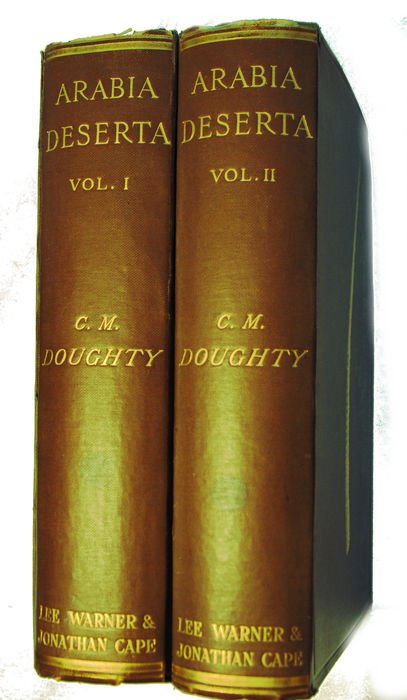
Listening to his wanderings, my mind conjured visions of Sir Richard Burton in Doughty’s Arabia Deserta and Sir Lawrence in the Hejaz. In fact, my Uncle remembered a young daredevil called Lawrence wreaking havoc among the Turkish ranks using his guerrilla tactics.
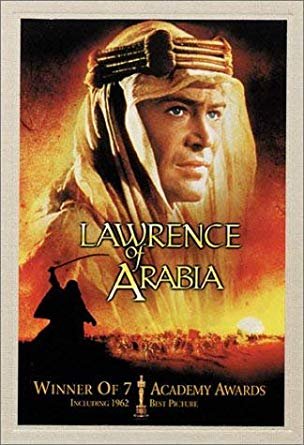
He confided in me one evening, that the desert years were his best ones. He married a Cossack woman from across the Russian border. In the process, he transmogrified into ‘George Stanley Rowe’ instead of the mundane ‘Ganpat Srinivas Rao’.
He had sung ‘It’s a long, long way to Tipperary’; done the Lambeth Walk; experienced the Jazz Age, when America went on its ‘greatest, gaudiest spree in history’.
‘George Stanley Rowe’ will never burst into our home again. Uncle Srinivas died in 1975. With him gone, I could sense the past had vanished, for he had lived through a slice of history – gay and cavalier. Now the man and his era live on, only in my memory.